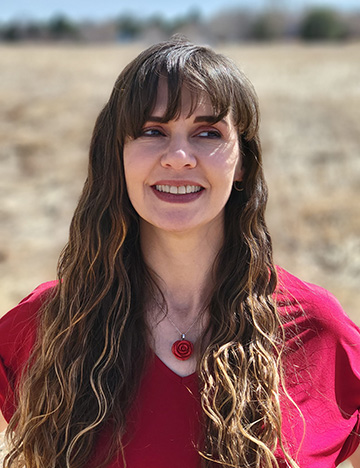
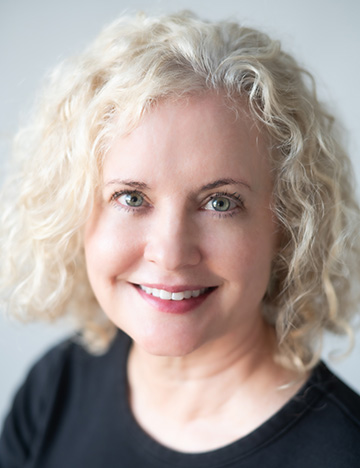
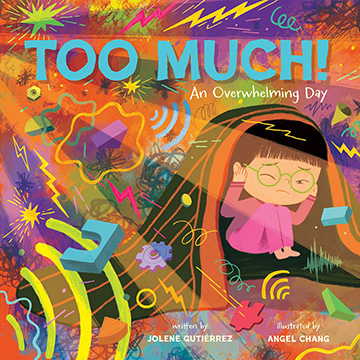
Jolene Gutiérrez and Elizabeth Weiss Verdick

Two sim­pati­co authors, Jolene Gutiér­rez (left) and Eliz­a­beth Weiss Verdick (right), sat­is­fied their curios­i­ty — and ours — about writ­ing pic­ture books with neu­ro­di­ver­gent characters.

First off, it’s nice to meet you, Jolene! I think we have quite a bit in common, based on my readings of Too Much! and your first book Mac and Cheese. I know that you’re a librarian and educator (yay!) at a school for diverse learners (awesome). And that your own children have dealt with sensory issues — which means that you, as a mom, have had to learn new ways of handling day-to-day life at home and in your community. I too am a mom of neurodivergent kids. My son was diagnosed with autism before age three. He’s grown up now, but life still presents challenges. I like writing books that shed light on issues affecting kids of all ages and stages. Can you tell me more about yourself? And the children you work with?

Hi, Elizabeth! I’m so honored to meet you! I think the first time I encountered your writing was a little over 20 years ago when I read your book Teeth Are Not for Biting with my children. I’ve been reading and sharing your books ever since! Yes, I’m a teacher librarian at a school for neurodivergent learners, I’m a mom to neurodivergent young adults, and I’m neurodivergent as well. My students and my own children have always been my guiding lights when writing. They are some of the most creative, funny, smart, and compassionate people around! I try to write books that will help readers feel seen, that will share varying viewpoints and perspectives, and that will help learners become more understanding human beings.

Before we talk about your books, can you share some day-in-the-life stories about what it’s like to work with diverse learners and to raise children who don’t fit the “neurotypical” mold? Your experiences led you to write books about sensory issues and the need for space. How do the kids in your life teach and inspire you day to day?

I think the most powerful thing the kids in my life have taught me is how much they appreciate when the adults in their lives are transparently themselves. My children and students appreciate when I share my own thought processes and challenges, and I try to model those things with a sense of humor. I might be teaching and get distracted by something and go off on a tangent and then catch myself and circle back (I think the mouse in If You Give a Mouse a Cookie is modeled after my ADHD brain). And I’ve learned that there’s nothing wrong in being human and flawed. It’s empowering for our kids to see that.

Some of the amaz­ing things I’ve seen over the years include stu­dents who love cer­tain top­ics and gen­res so intense­ly that we cre­ate spe­cial places for their favorite books in the library, kids who adore a dio­ra­ma filled with minia­tures so much that they help set it up for me when my fum­bling fin­gers can’t, stu­dents with hearts so big that they want to help their com­mu­ni­ty in any way pos­si­ble, from pick­ing up trash to gath­er­ing sup­plies for oth­ers in need, and kids with such a strong sense of jus­tice that they strong­ly and defin­i­tive­ly say, “That’s not right!” I’m proud to be a part of these kids’ lives. They give me hope for our future.

Too Much! An Overwhelming Day by Jolene Gutierrez and Angel ChangI enjoyed reading Too Much! You handle a serious topic with ease and charm — the book even rhymes! Not easy to do. Can you share your writing process for this picture book?

Oh, thank you so much! The stanza “Too loud! Too bright! Too itchy! Too tight!” popped into my head when I was thinking about some of my own sensory overwhelm, and it stayed there. This story demanded to be told, and in rhyme (to my horror), as you pointed out! I was not happy about that part of it, but I knew this was the book I needed when I was trying to navigate my kids’ sensory sensitivities and probably the book my own parents needed, too, so I persisted in telling the story the way it wanted to be told but also with some back matter that hopefully enriches the sparse text.
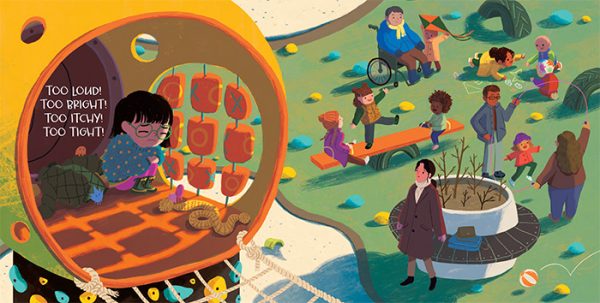
The illustrations in Too Much! are colorful and exuberant, suggesting not only an exterior  world that is bright and busy but also an interior world within the main character — she may not feel comfortable with all that she sees and hears each day, yet she’s filled with the urge to play and explore, just like the other children. I like the additional colorful little creatures that appear on the book’s pages — and the vivid emotional expression they add to the story. Did you know that the artist would include these tiny “bursts” of feeling?

I agree, Elizabeth — Angel Chang’s illustrations are brilliant and so vibrant! When Meredith Mundy (our editor) and I first met to talk about Too Much!, we both wondered how Angel would be able to show sensory overwhelm. And then Angel shared her illustrations with us. The dysregulated pages feel chaotic, the calm pages feel calm, and the “emotional friends” Angel included show us how the main character (I didn’t name our character in the text, but Angel calls her Birdie) is feeling. Angel’s artwork tells such a powerful story!

illustration from Too Much, by Jolene Gutiérrez and Angel Chang
illus­tra­tion © by Angel Chang from Too Much! An Over­whelm­ing Day,
writ­ten by Jolene Gutiér­rez, pub­lished by Abrams Apple­seed, 2023

When we read picture books aloud, they often seem “effortless” and just right. But as a fellow picture book writer, I know this isn’t the case when it comes to our writing! The economy of words is a challenge. How did you rise to this challenge—especially the rhyming aspect? Are you a poet at heart?

It is SUCH a challenge to tell a story in just a few words, and for me, it’s even more of a challenge telling a rhyming story. I’ve written a few stories in rhyme but only because those stories demanded that format. I don’t go looking to write in rhyme because I really struggle with the rhythm and getting things “just right.” That being said, I DO view myself as a poet at heart. I love writing lyrically — including symbolism, evoking emotion, and painting a picture with my words.

In picture books, it’s important for young characters to solve their own problems and figure out ways to connect with other people and the world. Adult help can play a role in stories, sometimes, but I appreciated how your protagonist in Too Much! expressed that she knew she needed a “sheet hug” to calm down at the busy, busy playground. At home, she used deep breathing as a way to feel peaceful and grounded. Those are skills children with sensory needs or autism can truly rely on — and I’m so glad you created pages in your book where such skills are highlighted! They offer little pauses in the story, moments of calm. Can you talk a bit about how you integrated real-world tips into your story?

I agree — it’s so important for characters to have agency and find some of their own solutions, if possible. I knew that if Birdie got to the point of overwhelm in the story, we needed to find ways to come back to calm. The honest truth is, most people who are overwhelmed might not be able to verbalize what they need right in that moment. So in actuality, Birdie might have been so overwhelmed that she may not have been able to ask for a sheet hug. I know that, but I wanted her to model a best practice while still acknowledging in the text that voicing needs may not always be possible:

When I can,
I’ll try to say
just what I need
to change my day.

And I want­ed to demon­strate how deep breath­ing and remov­ing your­self to a calmer space can sup­port you. The oth­er thing I want­ed to do is show care­givers ways in which they could be sup­port­ive. The back mat­ter I includ­ed expands on that, but with­in the text, I tried to cre­ate a care­giv­er who was start­ing to learn how to nav­i­gate their child’s sen­so­ry needs but who also was open to lis­ten­ing to and learn­ing from their child. Side note: because skin-to-skin con­tact can be over­whelm­ing for some peo­ple, a sheet hug is a way to give calm­ing, deep pres­sure with­out touching.

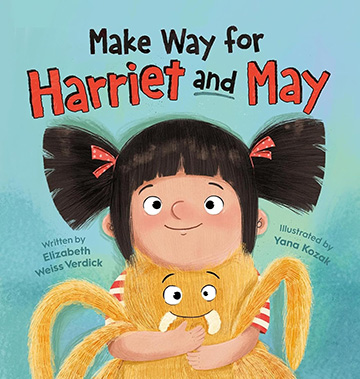
Make Way for Harriet and May by Elizabeth Weiss Verdick and Yana KozakOne of my latest picture books is Make Way for Harriet and May, a story about a girl (May) with sensory issues who finds her own special way to cope day-to-day—by bringing her giant, cuddly, soft stuffed spider (Harriet) with her everywhere she goes. I wanted to express something about how kids can find their own unique ways of fitting into the world — while also standing out in the world. Do you have some favorite books you enjoy reading to your diverse learners? Stories that educate and inspire them?

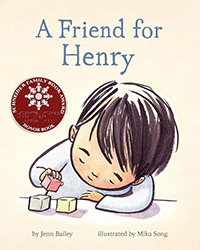
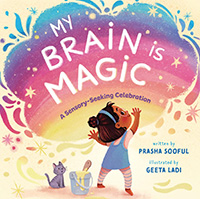
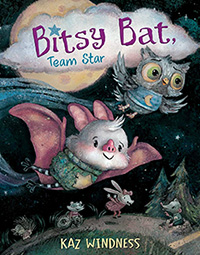
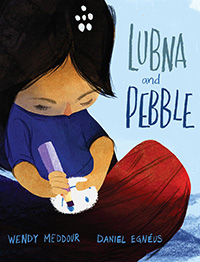
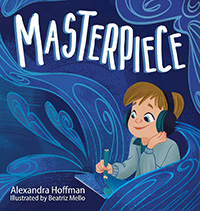
I LOVE Make Way for Harriet and May and that’s a book I’ll be sharing with my students and families this school year! Your story does such a beautiful job of showing how to find comfort and friendship. Along those lines (although more serious, to be sure), I love the book Lubna and Pebble by Wendy Meddour and Daniel Egneus. The following is just a small list and I’m sure I’m forgetting important titles, but some of the books that I share and that center neurodivergent characters include Masterpiece and other books from The Incredible Kids series by Alexandra Hoffman and Beatriz Mello; A Friend for Henry by Jenn Bailey and Mika Song; Benji, the Bad Day, and Me by Sally J. Pla and Ken Min; My Brain Is Magic: A Sensory-Seeking Celebration by Prasha Sooful and Geeta Ladi; and The Bitsy Bat Series by Kaz Windness.
I’ve heard that you have a follow-up book coming out in a few years — can you share any insider knowledge about it? (And if it’s top secret, no worries.) What else are you working on these days?  

Hmmmm … it hasn’t been officially announced, but I think I can say that if you’re like me and thought the song “It’s my party and I’ll cry if I want to" was referring to the singer being stressed to the point of tears by all of the people, noise, and other sensory stimulation at a party, this book will resonate. Angel Chang’s amazing illustrations will accompany my words.

Our books aren’t only for neurodiverse readers and their parents / educators. Because the truth is, every child faces unique challenges while growing up. I think all readers can see a bit of themselves in your main character. I once had a writing teacher who would always ask her students: Where are YOU in this story? As writers, we put bits of ourselves into our work. In Make Way for Harriet and May, I see myself in May’s insistence on bringing a stuffie into every aspect of her daily life. How about you? Do you see bits of yourself in Too Much!?

Agreed! Our books are for everyone, and I think many readers will see parts of themselves within our stories. So where am I in this story? As a young child, I tested the adults in my life. They didn’t understand what was going on with me and I was often referred to as picky, spoiled, or a brat. In hindsight, I know I was just doing the best I could to navigate a world that was overwhelming to me. So I definitely see bits of myself in Too Much! Most of Birdie’s experiences (aversion to bright lights, itchy and/or tight clothes, and loud noises) are all my own sensitivities. There are some parts, like not wanting to be touched and not liking crunchy food, that aren’t my experiences but are based on some of my loved ones. But most of us have had stressful, overwhelming experiences and had to figure out how to advocate for and support ourselves, so I think that’s the universal piece.

Thank you so much for these thought­ful ques­tions and for your time, Eliz­a­beth! I’m so grateful!

Jolene Gutierrez

Jolene Gutiér­rez is an award-win­ning neu­ro­di­ver­gent teacher librar­i­an who has been work­ing with neu­ro­di­ver­gent learn­ers at Den­ver Acad­e­my since 1995. Jolene writes the books that her own chil­dren need­ed when they were young and hopes her books will help some read­ers feel seen and will help oth­ers learn and grow in com­pas­sion. Jolene is the author of Unbreak­able: A Japan­ese Amer­i­can Fam­i­ly in an Amer­i­can Incar­cer­a­tion Camp (2026, co-authored with Minoru Tonai), Mami­achi and Me: My Mami’s Mari­achi Band (co-authored with her son Dako­ta), The Ofren­da That We Built (co-authored with her daugh­ter Sha­ian), Too Much! An Over­whelm­ing Day, and Mac and Cheese and the Per­son­al Space Invad­er. Find her online at www.jolenegutierrez.com or on Face­book, Bluesky, Insta­gram, or Threads @writerjolene.

Elizabeth Weiss Verdick

Eliz­a­beth Weiss Verdick writes books for chil­dren of all ages, from babies to teens. Make Way for Har­ri­et and May (illus­trat­ed by Yana Kozak, Wor­thyKids, 2024) explores sen­so­ry issues, while her book The Sur­vival Guide for Kids with Autism Spec­trum Dis­or­der (and Their Par­ents) is avail­able in an updat­ed edi­tion for ages 8 – 13 (Free Spir­it Pub­lish­ing, 2023). She’s the proud mama of grown-up chil­dren who are proud­ly neu­ro­di­ver­gent. And she has two French bull­dogs that she calls her “writ­ing helpers.” Get to know more about her at elizabethverdick.com.

Enjoy these books. You can order them from Book­shop by click­ing on their covers.

Too Much! An Over­whelm­ing Day
writ­ten by Jolene Gutiér­rez
illus­trat­ed by Angel Chang
Abrams Apple­seed, 2023

Make Way for Har­ri­et and May
writ­ten by Eliz­a­beth Weiss Verdick
illus­trat­ed by Yana Kozak
Wor­thy Kids, 2025

Subscribe
Notify of
guest

This site uses Akismet to reduce spam. Learn how your comment data is processed.

1 Comment
Oldest
Newest
Lisa Rogers
Lisa Rogers
7 months ago

Won­der­ful inter­view! A must for all educators!