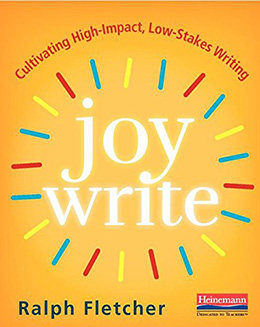
 In October, 2018 I shared a column entitled “The Beauty of Joy Writing” which featured a brilliant book by Ralph Fletcher called Joy Write. As a 3rd grade teacher, I embraced Fletcher’s approach and offered several examples of how my young scribes flourished after being granted permission to play with words and writing. Looking back on my essay about this non-traditional way of teaching writing, one that centered on cultivating individuality, creativity, choice and voice, I realize how much I have missed the joy of writing myself.
And so, after a five year hiatus, I am beyond delighted to be bringing “Teach it Forward” back to Bookology. I invite you to come along for the ride as I continue my journey as a literacy educator striving to share my reflections and insight, personal and professional growth, and most importantly, the joy of writing.
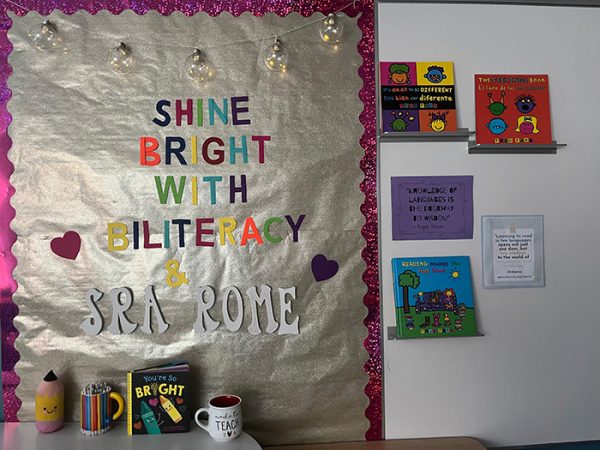
Since my last column was published in January, 2020 (just a few months before life as we knew it was turned upside down, thanks to Covid), I moved out of the classroom to work as a curriculum coördinator, returned to the classroom to teach 1st grade and took a two year break to tend to a new grandbaby. I have recently embarked on a brand new role in a Spanish Immersion school as the English teacher. I am eager to explore and share what teaching and learning looks like in a bilingual / biliteracy school community.
Biliteracy is the skill of not only speaking but also reading and writing in two languages. Flora Lewis, a trailblazing journalist who covered international affairs for nearly 60 years, once said “Learning another language is not only learning different words for the same things, but learning another way to think about things.” This sums up the most essential goals of biliteracy learning: fostering new, broader perspectives, developing critical and flexible thinking skills, and gaining a deep appreciation for diverse cultures.
Helping young people navigate literacy learning in two languages involves relying on universal best practices that are essential in all literacy classrooms; using culturally relevant materials, scaffolding students with visuals when they are necessary and beneficial, maintaining a strengths / asset-based approach, collaboration with families, and differentiating instruction. Not an easy list that is ever fully achieved, but one that is ongoing and fundamental to creating learning opportunities where literacy and biliteracy flourish.
What sets apart a biliteracy learning environment are a number of unique and effective strategies that incorporate cross-linguistic transfer such as translanguaging, “bridge” lessons, focusing on cognates and integrating literacy with content instruction. Future “Teach it Forward” columns will dig deeper into these strategies as I share how they are being implemented in my classroom, highlighting successes and challenges along the way.
As with most of my previous columns from years past (over 40 in the archives!) I leave you with guidelines to keep in mind when selecting titles to share with students and some exceptional book recommendations (bilingual or available in both Spanish and English) perfect for promoting biliteracy.
Suggestions:
- Ensure Spanish and English texts are contextually and culturally appropriate, not machine-translated.
- Choose stories that reflect diverse Spanish-speaking experiences and affirm bilingual identities.
- Select books that reinforce structured literacy in Spanish — phonemic awareness, spelling patterns, and morphology.
- Review content to make sure it matches students’ developmental levels and includes rich language and text features.
Ideal for Preschool through Early Elementary Grades
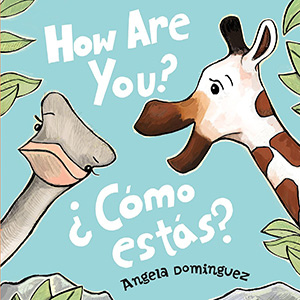
How Are You? / ¿Cómo estás? by Angela Dominguez — a delightful bilingual book with beautiful illustrations about friendship and feelings.
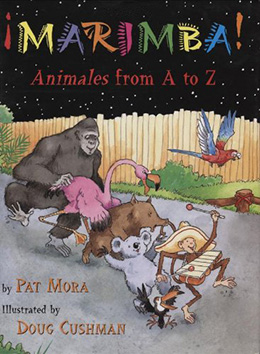
¡Marimba!: Animales from A to Z by Pat Mora — a fun rhyming romp through the zoo after closing hours certain to entertain and amuse.
Great Picks for Grades 1 ‑4
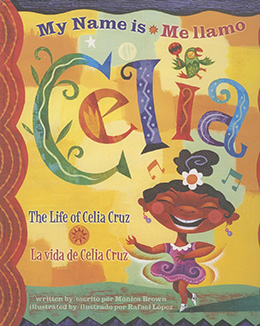
My Name is Celia: The Life of Celia Cruz by Monica Brown — an award winning, stunning picture book featuring the queen of salsa.
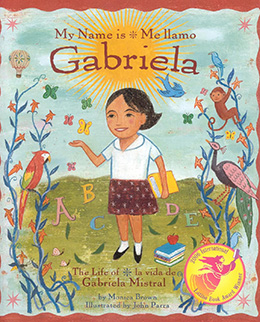
My Name is Gabriela: The Life of Gabriela Mistral by Monica Brown — introduces young readers to the Chilean poet who became the first Latin American writer to win the Nobel Prize in Literature.
I’ll close with the joy-writing infused class mantra I share with my students: “Each day is a new chapter — write it with kindness, courage and purpose.” (Unknown) These words resonate with me in so many ways for so many reasons. I am surrounded by the kindness of new colleagues who are helping me get up to speed as “the new (though older than most) kid on the block.” I am reminded that it takes courage to be a teacher and lifelong learner. And I am determined to prioritize purpose so that students understand my “why” and can discover their own “why” as we connect learning to our lives and to the world.